The History of Red Roses as Valentine's Day Gifts
Posted on 24/06/2025
The History of Red Roses as Valentine's Day Gifts
Red roses have long been synonymous with love, romance, and the grand celebrations of Valentine's Day. But how did this bold, fragrant flower become a worldwide emblem of affection, passion, and heartfelt gestures on February 14th? In this comprehensive article, we will explore the origins, cultural significance, symbolic meanings, and the enduring tradition of *offering red roses as Valentine's Day gifts*, tracing their journey from ancient myths to the modern florist's shop.
The Ancient Origins of the Red Rose
The red rose has a rich legacy that stretches back thousands of years. The flower's symbolic link to love and passion finds its roots in many ancient civilizations and mythologies.
Red Roses in Greek and Roman Mythology
- Aphrodite and Adonis: According to one popular Greek myth, Aphrodite, the goddess of love, mourned her mortal lover Adonis after his tragic death. It's said her tears mingled with his blood and gave birth to the first red roses, turning the flower into a symbol of undying love and beauty.
- Venus and the Romans: For the Romans, Aphrodite was synonymous with Venus. The red rose, sacred to Venus, featured heavily in Roman festivals and banquets. Early lovers would exchange roses to express feelings not easily conveyed in words.
Red Roses in Early Cultures
- Persian and Arabic Literature: Ancient Persian poets used the red rose as a symbol of deep, spiritual love, often pairing it with the nightingale to depict unrequited longing.
- Egyptian Civilization: Red roses appeared in Egyptian tombs and artwork, signifying both beauty and the brevity of life and love.
The Red Rose in Medieval and Renaissance Romance
Medieval Europe is where the tradition of gifting roses as an explicit expression of love truly blossomed. During this time, the rose became inextricably linked with romantic courtship and the legendary tales of knights and fair maidens.
The Symbolism of the Red Rose in Medieval Times
- Chivalric Love: Red roses were a favorite motif in chivalric poetry and art, embodying the ideals of courtly love where knights proved their devotion through acts of admiration and service.
- Secret Language of Flowers: Medieval lovers developed a "floriography", or language of flowers, in which different blooms carried specific coded messages. The red rose unequivocally conveyed romantic intentions.
The Rise of Valentine's Day Traditions
The linking of red roses and Valentine's Day began to take shape during the late Middle Ages and the early Renaissance. February 14th became a day celebrating lovers, inspired in part by the poetic writings of Geoffrey Chaucer and his contemporaries. In his 14th-century poem "Parliament of Fowls," Chaucer mentions birds choosing their mates on Valentine's Day, indirectly encouraging the exchange of love tokens, such as flowers.
Red Roses and the Victorian Era: The Language of Flowers
The Victorian era (1837-1901) saw the *red rose as a Valentine's gift* reach its full bloom. During this period, social etiquette dictated strict codes of conduct, making open declarations of love risky or taboo, especially for women.
Floriography: The Secret Language of Flowers
- Symbolic Communication: Lovers would convey hidden messages through bouquets. A single red rose meant, "I love you." Multiple roses or specific arrangements had their own symbolic meanings.
- Florists and Innovation: Florists began publishing "flower dictionaries" that decoded the meanings of various blooms, reinforcing the red rose's role as the preeminent symbol of romantic passion.
This era cemented the red rose as the floral ambassador of love and the signature Valentine's Day gift.
Red Roses and Valentine's Day in the Modern Era
Today, *gifting red roses on Valentine's Day* is a time-honored tradition celebrated globally. Evolution in farming, transportation, and floral marketing have made the red rose accessible year-round, intensifying its association with love's special day.
How Red Roses Became the Valentine's Day Standard
- Commercialization and Marketing: With the Industrial Revolution and the rise of commercial floristry in the 19th and 20th centuries, red roses became mass-marketed as the go-to expression of romantic love.
- Globalization: Efficient shipping and international trade made it possible to cultivate and deliver fresh red roses in even the coldest climates just in time for Valentine's Day.
- Pop Culture Influence: Hollywood movies, novels, and advertisements further entrenched red roses as the essential Valentine's Day flower.
The Symbolism of Red Roses on Valentine's Day
Beyond mere aesthetics, red roses convey layers of profound symbolism and emotion:
- Passion: The vibrant hue of a red rose is globally recognized as a symbol of deep, passionate love.
- Respect and Admiration: Beyond romance, they signal respect, admiration, and devotion.
- Enduring Commitment: Red roses have become tokens of lasting commitment, commonly exchanged by couples celebrating years of togetherness.
- Sacrifice and Courage: In some cultures, the red of the rose also suggests the willingness to sacrifice for love.
Interesting Facts About Red Roses and Valentine's Day
- Over 250 million roses are grown annually for Valentine's Day, with red roses comprising the overwhelming majority.
- The number of roses matters: In the Victorian "language of flowers," a single red rose means devotion, a dozen stands for true love, and 108 signifies a marriage proposal.
- Shakespeare's Influence: The red rose features prominently in Shakespeare's works, especially in "Romeo and Juliet," reinforcing its connection to tragic, passionate love.
- Hybridization: Today's iconic red Valentine's roses are the result of centuries of careful breeding and cultivation for fragrance, color, and longevity.
Famous Red Roses in Art and Literature
The *red rose as a symbol of deep affection* has inspired countless artists, poets, and musicians throughout history:
In Poetry and Prose
- Robert Burns: The celebrated Scottish poet immortalized the red rose in his classic lyric "A Red, Red Rose" (1794), drawing parallels between the flower's beauty and his unending love.
- Elizabeth Barrett Browning: Her sonnets often referenced roses, intertwining the flower with the experience of romantic longing.
In Visual Arts
- Pre-Raphaelite Paintings: 19th-century artists like Dante Gabriel Rossetti often featured red roses to signify forbidden or unattainable love.
- Modern Photography: The single red rose remains a favorite subject in visual storytelling and advertising, instantly evoking Valentine's Day themes.
Modern Customs: Gifting Red Roses on Valentine's Day
Modern lovers continue the ancient ritual of *exchanging red roses as Valentine's Day gifts*. However, today's customs are more inclusive, creative, and personalized.
Diverse Variations and Personal Touches
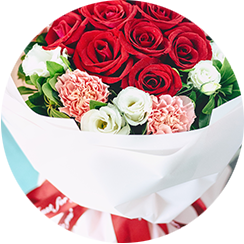
- Bouquets and Arrangements: Mixed arrangements featuring red roses with white lilies, pink carnations, or baby's breath are popular choices for adding variety and symbolism to the traditional gift.
- Eco-Friendly Bouquets: With an increased focus on sustainability, many opt for locally grown, organic red roses or even eco-conscious "forever" roses preserved to last months or years.
- Digital Roses: In the age of technology, virtual bouquets and rose-themed emojis are a playful addition to real flowers.
Red Roses for All Relationships
While red roses are most associated with romance, they are increasingly exchanged between friends, family members, and colleagues to celebrate all forms of love and appreciation on Valentine's Day.
Why Red Roses Remain the Most Popular Valentine's Day Gift
The universal appeal of red roses owes much to their:
- Enduring beauty and fragrance;
- Rich cultural meanings and historical connections;
- Strong presence in art, literature, and popular culture;
- Emotional impact: The act of receiving red roses still evokes a powerful, heartfelt response.
Red Roses vs. Other Flowers
Other blooms such as tulips, lilies, and orchids are also given on Valentine's Day, but the red rose's profound symbolism and timeless elegance ensure that it remains the definitive floral choice for expressing romantic intentions.
How to Choose the Perfect Red Roses for Valentine's Day
Ensuring your chosen red roses make the desired impact involves some thought and care. Here are a few tips:
- Quality over quantity: A single, exquisitely flawless rose can speak volumes.
- Look for freshness: Petals should be bright, unblemished, and firm. Avoid signs of wilting or browning.
- Personalize the message: Accompanying your bouquet with a handwritten note or a unique gift enhances the sentiment.
- Consider symbolism: The number of red roses gifted can convey specific meanings--one for devotion, twelve for classic love, twenty-five for congratulations, and so on.
A Lasting Legacy: The Red Rose as Valentine's Day's Ultimate Symbol
Whether in myth, poetry, or a fresh bouquet delivered on a cold February morning, red roses have persisted across millennia as the heart of countless love stories. The tradition of gifting red roses on Valentine's Day will likely endure as long as people seek to communicate deep, burning affection. The *red rose's timeless association with passion, adoration, and commitment* keeps it at the center of celebration--reminding us all that sometimes, a single flower can indeed say it all.
Conclusion
From the legendary tears of goddesses to the language of Victorian courtship and today's global celebrations, the red rose stands unrivaled as the quintessential Valentine's Day gift. Its journey through history is rich and colorful, much like the emotions it inspires each February 14th. The next time you present a crimson bloom to your beloved, you participate in an ancient, universal tradition that has transcended cultures and centuries--a beautiful testament to humanity's enduring need to love and be loved.