Maximize the Lifespan of Poinsettias
Posted on 21/08/2025
Maximize the Lifespan of Poinsettias: A Comprehensive Guide
Poinsettias are the quintessential holiday plant, bringing festive color and warmth to homes around the world each winter. However, many people struggle to keep these vibrant beauties thriving long past the holidays. If you want to maximize the lifespan of poinsettias and enjoy their bright blooms for months -- or even years -- follow this authoritative guide filled with expert tips, care strategies, and troubleshooting advice.
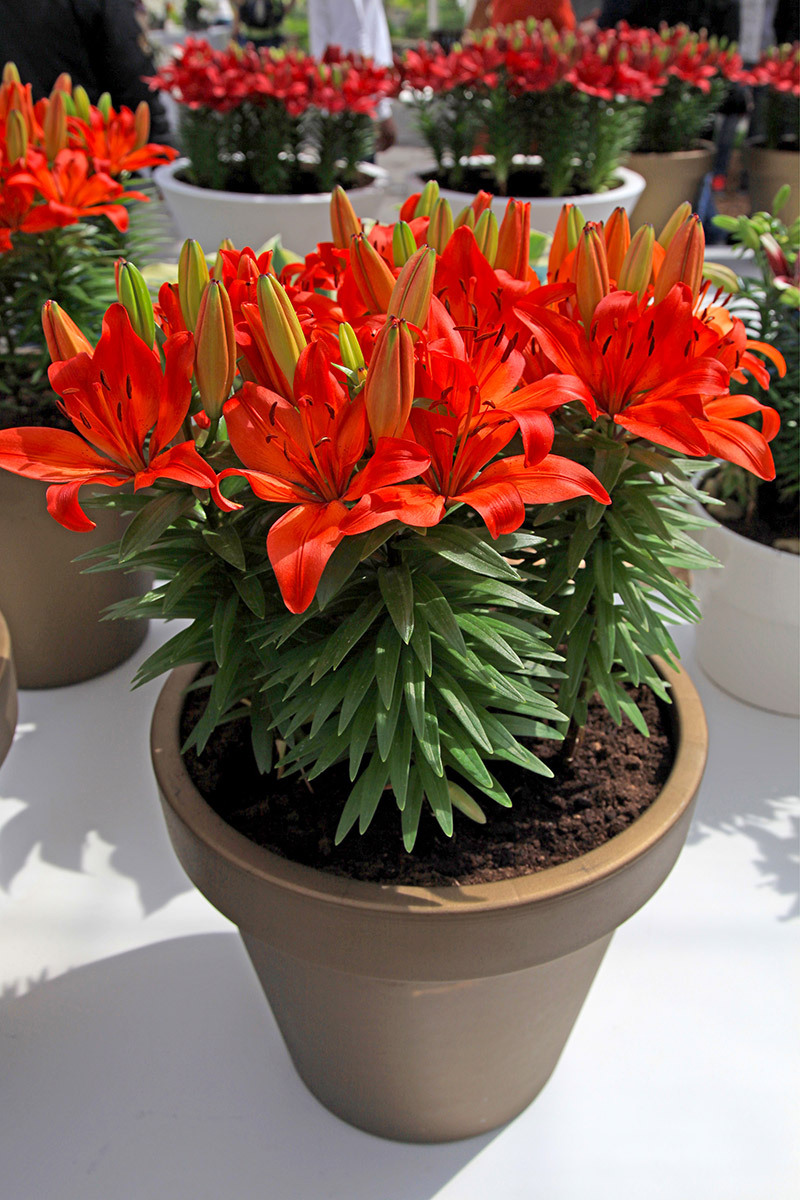
Understanding the Poinsettia: A Brief Overview
What Makes Poinsettias Special?
Poinsettias (Euphorbia pulcherrima) are native to Mexico and Central America, celebrated for their strikingly colored bracts -- modified leaves that many mistake for petals. While commonly associated with Christmas due to their red hues, poinsettias come in various colors: white, pink, yellow, and even variegated. Their beauty is matched by their relatively simple care requirements when approached with knowledge and consistency.
Choosing a Healthy Poinsettia
Selecting a robust plant is the first step in extending the life of your poinsettia. Here are key indicators of a healthy poinsettia:
- Bright, undamaged leaves that aren't wilting or drooping
- Intact, small yellow flowers (called cyathia) at the center of the bracts
- No signs of pests or disease (such as sticky residue or discolored spots)
- Even, symmetrical growth
Optimal Care for Longer-Lasting Poinsettias
Temperature and Light
To maximize the lifespan of your poinsettia, recreate the conditions of its native environment:
- Temperature: Keep your poinsettia in temperatures between 65?F and 75?F (18?C - 24?C). Nighttime drops are fine but avoid anything below 55?F (13?C).
- Light: Place your poinsettia where it will receive at least 6 hours of bright, indirect sunlight daily. Too much direct sunlight can scorch the leaves, while too little will lead to poor growth and color fading.
Watering Wisely
Overwatering is the most common mistake people make, often leading to root rot and plant death. To extend the life of your poinsettia:
- Check the soil with your finger -- water only when the top inch feels dry.
- Ensure the pot has good drainage and never let your poinsettia sit in excess water.
- Water thoroughly, allowing excess to drain, but do not let the soil become soggy.
- If placed in a decorative foil wrapper, poke holes in the bottom or remove it during watering to prevent water accumulation.
Humidity and Air Flow
Being tropical natives, poinsettias thrive in moderate to high humidity:
- Increase humidity by grouping plants or using a pebble tray with water.
- Avoid placing near heat vents, radiators or cold drafts that can dry out or chill the plant.
- Good air circulation is essential, but strong drafts or sudden temperature changes should be avoided to reduce stress.
Feeding and Fertilizing
Poinsettias during their blooming season (typically November through January) do not generally require fertilizing, but to promote long-term growth:
- Once blooming is over, fertilize every 2-4 weeks with a balanced houseplant fertilizer (half strength).
- Do not fertilize while the plant is in bloom -- wait until new growth appears.
- Use a complete, water-soluble fertilizer for best results.
Routine Maintenance for Everlasting Poinsettias
Pruning and Pinching Back
Proper pruning not only enhances the shape of your poinsettia but also encourages bushy future growth, which is key to extending the lifespan of your poinsettia.
- In early spring, after the plant has finished blooming, cut the stems back to 4-6 inches, leaving a few leaves on each stem.
- As new growth appears, pinch back the tips every 4-6 weeks throughout summer to stimulate branching.
Repotting for Continued Growth
For those who wish to keep their poinsettia alive for multiple years, repotting is key:
- Repot in spring or early summer after pruning.
- Select a pot that is 1 inch larger in diameter than the current pot and has good drainage holes.
- Use a fresh, well-draining potting mix suitable for houseplants.
- Water thoroughly after repotting, then allow the soil to dry before watering again.
Encouraging Reblooming for Longevity
To maximize the lifespan of poinsettias and enjoy annual color, encourage your plant to rebloom:
- In autumn (late September or early October), simulate short days by placing your poinsettia in complete darkness for 14 hours each night (a closet or box works well) and returning it to bright daylight for the remaining 10 hours.
- Continue daily for 6-8 weeks, keeping temperatures around 65?F (18?C).
- Once bracts begin to color, you can return your plant to its regular spot.
Troubleshooting Common Poinsettia Problems
Leaf Drop and Wilting
Excessive leaf loss is often a sign of:
- Underwatering or overwatering
- Sudden temperature fluctuations or drafts
- Low humidity
Faded Bracts and Poor Color
To prolong poinsettia color, ensure your plant receives plenty of bright, indirect light. Avoid placing it in deep shade or direct, hot sunlight.
Insect Infestations
Poinsettias can occasionally host pests like whiteflies, aphids, or spider mites. Keep the foliage clean and inspect regularly. Use insecticidal soap or neem oil if pests appear.
Long-Term Care: Keeping Poinsettias Year-Round
Transitioning Outdoors in Summer
If you live in a temperate region, you can maximize the lifespan of your poinsettia by moving it outside after the last frost:
- Harden off your plant gradually by introducing it to morning sun and afternoon shade over a week.
- Continue consistent watering and fertilizing.
- Bring the plant back indoors before night temperatures drop below 55?F (13?C).
Myths About Poinsettias: Fact vs Fiction
There's a widespread belief that poinsettias are highly toxic. In reality, they're only mildly irritating if ingested in significant quantities but aren't deadly to humans or pets. Still, it's wise to keep them out of reach for those prone to nibbling plants.
Summary: The Secret to a Longer-Lived Poinsettia
Maximizing the lifespan of your poinsettia is a matter of understanding its needs and providing consistent care year-round:
- Start with a healthy plant.
- Maintain proper light, temperature, and humidity.
- Water wisely -- not too much, not too little.
- Prune after blooming and repot as needed.
- Fertilize after blooming to support new growth.
- Encourage reblooming with light control in autumn.
- Watch for pests and address problems promptly.
- Consider summering your plant outdoors for vigorous growth.

Frequently Asked Questions: Maximizing Poinsettia Lifespan
Can poinsettias survive year after year?
Yes! With proper care, poinsettias can be kept as houseplants for multiple years, reblooming each season if provided with the right care and attention.
What is the best location for a poinsettia?
A spot with bright, indirect sunlight, away from drafts and temperature extremes, is ideal.
How often should I water my poinsettia?
Water only when the top inch of the soil is dry. Never let the plant sit in standing water.
Why are my poinsettia leaves turning yellow?
Overwatering, inadequate drainage, or temperature stress usually cause yellow leaves. Adjust your care routine for healthier foliage.
Final Thoughts: Making Your Poinsettia Last
Giving your poinsettia the attentive care it deserves is the key to maximizing its lifespan. Not only will you enjoy its remarkable beauty for months, but you'll also gain the satisfaction of nurturing a living part of the holiday season -- and beyond. Follow these proven methods and watch your poinsettia thrive year after year!
Latest Posts
Flourish with Perfect Orchid Care
Bring nature to work with these low-maintenance office plants
Maximize the Lifespan of Poinsettias